Selecting Between Septic Repair and Septic Installation: What Eugene Property Owners Must Consider
Business Name: Royal Flush Environmental Services
Address: 2640 State Hwy 99 N, Eugene, OR 97402
Phone: (541) 687-6764
Royal Flush Environmental Services
Royal Flush Environmental Services is a plumbing company offering a full range of septic system services, including cleaning, installation, and repairs. Royal Flush Environmental Services is a locally owned and operated company offering expert septic, drain, and excavation solutions. Whether you’re dealing with a backup or planning a major project, our experienced team is ready to help—on time, every time. Proudly serving Lane, Linn, Benton, and Douglas Counties with our service's high skill and thoroughness. No job is too big or small for our highly skilled team.
2640 State Hwy 99 N, Eugene, OR 97402
Business Hours
A septic problem seldom shows up with much event. One day the drains appear a little slower than normal, the next the lawn has a moist area that never utilized to be there, and soon the concern becomes inevitable: is this a problem that can be fixed, or is the entire system at the end of its life?
For homeowner in Eugene, that concern brings additional weight. Soil conditions, groundwater, lot size, older homes, and Oregon's wet season all affect how septic systems carry out and how long they last. A system that looks worn out in late fall may still have years left sewer cleaning in it with the ideal septic repair. Another system, particularly one that has actually been ignored for many years, may be up until now gone that a full septic installation is the smarter financial decision.
The option is not just technical. It impacts your budget plan, your property's timeline, and in some cases even your ability to reside in the home while work is underway. It also impacts the land itself. A well-designed septic installation can resolve recurring issues for decades. A focused repair can buy time, protect your investment, and avoid unnecessary excavation. The difficulty is knowing which course makes good sense before you invest money in the wrong place.
The very first question is not "repair or replace," it is "what stopped working?"
Property owners frequently begin with the incorrect question. They see standing water, smells, sluggish flushing, or gurgling drains and presume the whole system is failing. Often that is true. Typically it is not.
A septic system has numerous parts that can fail independently. The tank may have lots of solids because septic pumping has been delayed too long. A circulation line may be obstructed. A baffle might have cracked. The drain field may be filled after years of overuse, or a root intrusion might have harmed one section while the remainder of the system still functions. Each failure indicate a various service, and many of them are far less expensive than a full septic installation.
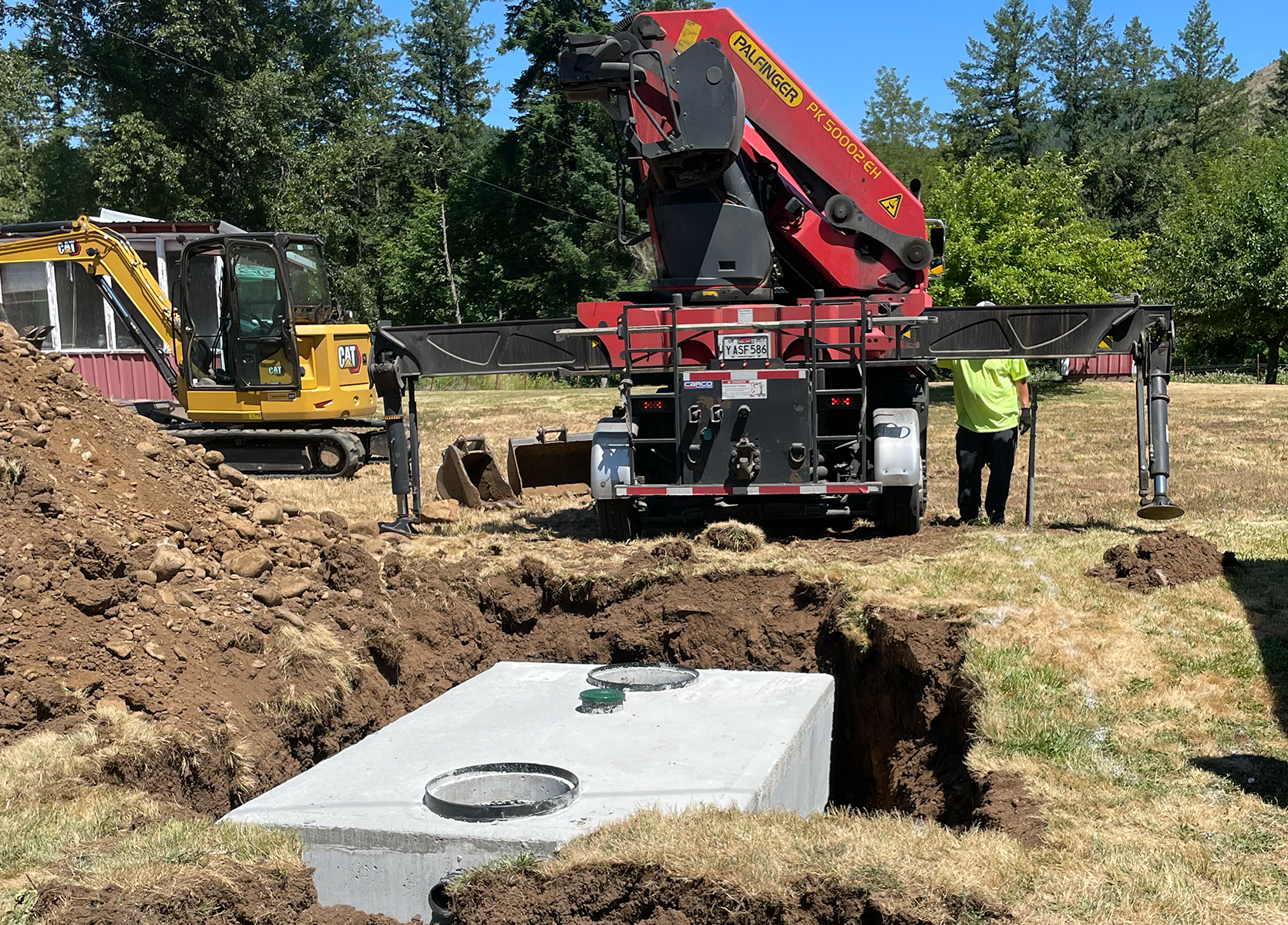
That is why an appropriate medical diagnosis matters. A tank that merely needs septic pumping can be mistaken for a significant failure if nobody checks it. A kitchen line that needs drain cleaning can appear like a septic problem when the genuine perpetrator sits closer to the house. Even sewer cleaning, when there is a separate sewer line on the home, may resolve a backup that has absolutely nothing to do with the septic field itself.
The most intelligent first step is to recognize the part of the system really causing the difficulty. Good septic contractors do not think. They check, probe, pump if required, and look at the age and style of the system before recommending septic repair or septic installation.
Signs that repair might be enough
There are a lot of circumstances where repair is the sensible answer. In a lot of cases, a septic system stops working not due to the fact that it is worn out, however since one part has actually been ignored or damaged.
If the system is relatively young, or if the failure appeared after a particular occasion, repair is often the best move. A single crushed pipe, a stopped up outlet, or a malfunctioning pump can usually be addressed without changing the whole system. In homes with regular septic pumping and decent maintenance history, these problems are typically separated and manageable.
One of the clearest signs that repair might be enough is a recent change in habits. Perhaps the system worked fine for years and after that, after a heavy rain or a household event, drains begun slowing down. That may indicate the tank is overloaded, the field is briefly saturated, or a line has become restricted. In those cases, a targeted septic repair can bring back function without the cost and interruption of septic installation.
Repair also makes sense when the concern is brought on by maintenance spaces instead of structural failure. A tank full of solids can send out product into the drain field and create signs that look much worse than they are. If septic pumping has actually been avoided for too long, the system might recover when the tank is cleared out and the field has time to breathe. That is not a permanent repair for a broken field, however it can solve a genuine issue and avoid additional harm.
There is likewise the matter of the surrounding property. Some Eugene lots have fully grown landscaping, limited gain access to, or grading that makes excavation difficult. If a repair can protect those functions, it may use much better worth than tearing whatever up for a full replacement.
When installation becomes the truthful answer
Sometimes a repair is just a hold-up. That can be tough to hear, particularly when a house owner is expecting a smaller bill, but there are times when septic installation is the right call because the old system has reached completion of its service life.
Age matters. A septic system that is 30, 40, or more years of ages might have components that are no longer performing to contemporary expectations, even if the failure appears localized. Drain fields do not last permanently. Soil can obstruct gradually. Tank walls can deteriorate. Earlier systems may have been developed for smaller families and lower water use, which suggests they have a hard time as soon as the home is inhabited full time by a bigger family.
Repeated failures are another cautioning sign. If a system backs up every year, or if the exact same drain field problem keeps returning after cleanouts and area repairs, the concern is probably not just a clogged pipeline. If you discover yourself spending for drain cleaning, sewer cleaning, pumping, and emergency situation callouts again and again, it might be less expensive over a couple of years to install a new system instead of keep nursing an old one.
The condition of the drain field is often the choosing aspect. A tank can usually be repaired, but a stopping working field is various. When the soil around the field has lost its capability to take in and treat effluent, the system no longer has a dependable place to send out wastewater. Because case, a septic repair may use just temporary relief. The field might be undersized for the house, damaged by roots, compressed by cars, or filled due to high groundwater. If the issue is structural or ecological, a brand-new septic installation might be the only long lasting fix.
Health and compliance also matter. If a system is releasing improperly or presenting a contamination danger, waiting on patchwork repairs can create bigger issues than the initial failure. A replacement may feel expensive, but it can protect the residential or commercial property, the well, nearby groundwater, and the resale value of the home.
Eugene-specific factors that change the decision
Eugene homeowner deal with a couple of local truths that make septic decisions more nuanced than they first appear.
The area's wet season can expose powerlessness quickly. A system that seems marginal in summertime might stop working as soon as the ground stays filled for weeks. That is why some house owners just find drain field issues after extended rain. If the field can not drain appropriately when the soil is currently wet, the system might be running closer to the edge than it appeared.
Lot size matters too. On larger rural parcels, there may be space for septic installation that includes a fresh drain field in a convenient area. On smaller sized or constrained lots, the existing layout may be harder to improve. Gain access to for equipment, problems from wells and residential or commercial property lines, and site grading can all influence whether a repair, a partial replacement, or a full redesign is possible.
Many older homes in the area also have systems that were installed under requirements that no longer match existing expectations. That does not indicate every older system needs replacement. It does suggest that an honest assessment needs to consider more than the symptom on the surface. Often a little repair on an older layout purchases time while the owner plans for a future upgrade. Other times, the system's age and design make replacement the much safer long-term investment.
If the home has heavy tree cover, root invasion enters into the estimation. Roots can split lines, attack gain access to points, and develop repeating obstructions. A one-time sewer cleaning or drain cleaning may clear the instant concern, however if roots are working their way into vulnerable piping, the underlying issue might continue till sections are replaced.
What a good inspection ought to reveal
A reliable septic evaluation is more than a fast glimpse at the lawn. It should reveal what is failing, how extensive the failure is, and whether the existing system still has usable life left.
The inspection often begins with the tank. A professional checks sludge levels, scum buildup, inlet and outlet conditions, and whether the baffles or tees are undamaged. If the tank is simply overwhelmed with solids, septic pumping might restore regular flow. If the tank has structural damage, that changes the picture.
Next comes the linework. An electronic camera or targeted testing can expose cracked pipes, bellied areas, root intrusion, or blockages. This is where drain cleaning or sewer cleaning can sometimes repair what looks like a septic problem. If water is backing up due to the fact that a line is blocked by grease, roots, or accumulated debris, cleaning the line may be enough.
The drain field evaluation is the most vital part when replacement is on the table. The service technician ought to search for saturated soil, emerging effluent, odors, unusually lush spots of grass, or indications that the field is receiving more water than it can disperse. If the field is stopping working because of age or overload, the system might require a redesign rather than a patch.

A truthful inspection need to likewise think about home use. A system that worked for 2 individuals may not keep up with 5, especially if water use has increased through laundry, long showers, or additional components. Often the system itself is not broken so much as it is undersized for how the residential or commercial property is now used.
Cost is very important, however timing is too
Most owners compare septic repair and septic installation initially by cost, and that is affordable. Repair normally costs less upfront. Installation almost always costs more and might involve authorizations, excavation, and several days of work. However the less expensive choice today is not constantly the better one over the next 5 years.
A repair can be the right financial investment when the system still has sufficient life left to justify it. Replacing a pipe, restoring circulation with sewer cleaning, or scheduling regular septic pumping can extend life span and prevent damage from dispersing. When the failure is isolated, repair secures money well spent.
Installation ends up being the better worth when repair expenses keep climbing up without solving the problem. A house owner who invests repeatedly on temporary fixes can end up paying more than the expense of a new system, without ever gaining back confidence in the property. That unpredictability has its own cost. It affects how you utilize your home, whether you worry each time guests go to, and how a purchaser may react if you ever sell.
Timing matters for another factor. Emergency work always costs more in tension, if not in dollars. If a residential or commercial property is currently supporting into your home, there might be no luxury of comparing choices at length. In that situation, the instant objective is to support the system, protect the home, and after that decide whether the underlying problem requires septic repair or septic installation once the site is safe to evaluate.
A practical way to think about the choice
When I talk with homeowner facing this decision, I frequently frame it around 3 concerns. Is the issue isolated? Is the system old enough that the next failure is most likely nearby? And does the drain field still have genuine practical life left?
Those questions cut through a great deal of confusion. A system with a single broken pipeline, good tank condition, and a healthy drain field is a repair prospect. A system with recurring backups, a saturated field, and aging components is a replacement candidate. The gray area sits in the middle, where the system may be salvageable but just if the owner accepts that the fix is momentary or partial.
That gray location is where experience matters most. Some systems are worthy of another repair since the rest of the design is solid and the property usage is modest. Others deserve replacement since the owner has actually currently spent too much attempting to stretch the life of a stopping working field. There is no universal rule that fits every parcel in Eugene.
A basic time out before choosing can help. If the symptoms appeared gradually, if septic pumping has actually been past due, or if there has actually been little maintenance history, the system might deserve a cleaning and a closer inspection before anybody discuss replacement. If the same smells, backups, or wet areas keep returning despite upkeep, the chances shift towards septic installation.
How to secure the next system, whichever route you take
Whether you repair the current setup or set up a brand-new one, ongoing care figures out how long the investment lasts.
Routine septic pumping stays among the very best ways to avoid preventable difficulty. A tank can refrain from doing its job if solids are allowed to build up and migrate into the field. Drain cleaning also contributes, specifically in homes where kitchen waste, soap residue, and grease have narrowed the lines. Sewer cleaning can be simply as important if tree roots or buildup are restricting circulation outside the house.
Water use matters more than lots of people realize. Spreading out laundry loads, repairing leaks rapidly, and preventing large rises of water all assist the system treat waste more evenly. A septic system likes consistency. It does not appreciate a week of light use followed by a weekend of heavy visitors, repeated long showers, and several loads of laundry in one day.
Landscaping is worthy of attention as well. Deep-rooted trees planted too near the field can produce future headaches. Heavy cars should remain off the drain field. So should sheds, patio areas, and other additions that compact the soil or limit gain access to for future service.
A new septic installation can use a clean slate, but only if it is matched to the residential or commercial property and kept with discipline. A repaired system can serve well for several years too, supplied the owner appreciates its limits and does not presume a single fix solves every underlying issue.
Making the call with confidence
Choosing in between septic repair and septic installation is rarely about finding the least expensive choice in the minute. It has to do with picking the option that matches the age of the system, the nature of the failure, and the long-lasting plans for the property.
If the issue is local and the rest of the system is sound, repair might be the best usage of money. If the drain field is invested, the failures are repeating, or the system is too old to validate another round of patchwork work, installation might be the more responsible investment. Eugene homeowner have enough regional variables to compete with already, from damp weather condition to soil conditions to older home designs. The best choice originates from a clear inspection, a realistic take a look at maintenance history, and a frank discussion about what will really solve the problem.
The most costly mistake is typically not replacing a system prematurely or fixing it too late. It is pretending the issue is smaller sized than it is. Once the facts are clear, the best course generally becomes easier to see.
Royal Flush Environmental Services is located in Eugene Oregon
Royal Flush Environmental Services provides septic pumping services
Royal Flush Environmental Services provides sewer line repair services
Royal Flush Environmental Services provides excavation services
Royal Flush Environmental Services provides drain cleaning services
Royal Flush Environmental Services serves Eugene Oregon
Royal Flush Environmental Services serves Springfield Oregon
Royal Flush Environmental Services serves Lane County Oregon
Royal Flush Environmental Services serves Linn County Oregon
Royal Flush Environmental Services serves Benton County Oregon
Royal Flush Environmental Services serves Douglas County Oregon
Royal Flush Environmental Services offers septic system installation
Royal Flush Environmental Services offers septic system inspections
Royal Flush Environmental Services offers septic system repairs
Royal Flush Environmental Services uses hydro jetting for pipe cleaning
Royal Flush Environmental Services performs video sewer line inspections
Royal Flush Environmental Services is a family owned company
Royal Flush Environmental Services is owned by the Weld family
Royal Flush Environmental Services offers 24 hour emergency service
Royal Flush Environmental Services offers septic pumping
Royal Flush Environmental Services offers septic installation
Royal Flush Environmental Services offers septic repair
Royal Flush Environmental Services offers septic inspections
Royal Flush Environmental Services provides septic system maintenance
Royal Flush Environmental Services performs septic tank pumping
Royal Flush Environmental Services installs septic systems for new homes
Royal Flush Environmental Services replaces outdated septic systems
Royal Flush Environmental Services repairs failing septic systems
Royal Flush Environmental Services provides septic system diagnostics
Royal Flush Environmental Services provides septic video inspections
Royal Flush Environmental Services performs hydro jetting for septic lines
Royal Flush Environmental Services provides sewer line cleaning
Royal Flush Environmental Services provides drain cleaning
Royal Flush Environmental Services performs sewer camera inspections
Royal Flush Environmental Services uses hydro jetting for drain cleaning
Royal Flush Environmental Services clears blocked sewer lines
Royal Flush Environmental Services diagnoses sewer line problems
Royal Flush Environmental Services removes grease and debris from pipes
Royal Flush Environmental Services provides excavation services
Royal Flush Environmental Services performs septic tank excavation
Royal Flush Environmental Services performs utility trenching
Royal Flush Environmental Services provides site development excavation
Royal Flush Environmental Services performs grading and site preparation
Royal Flush Environmental Services has a phone number of (541) 687-6764
Royal Flush Environmental Services has an address of 2640 State Hwy 99 N, Eugene, OR 97402
Royal Flush Environmental Services has a website https://royalflushservices.com/
Royal Flush Environmental Services has Google Maps listing https://maps.app.goo.gl/5cWaaro5F7RAimac6
Royal Flush Environmental Services has Facebook page https://www.facebook.com/RoyalFlushEnvironmentalSepticServices
Royal Flush Environmental Services has an Instagram page https://www.instagram.com/royal.flush.septic/
Royal Flush Environmental Services won Top Individual Septic Installation Company 2025
Royal Flush Environmental Services earned Best Customer Service Septic Pumping Award 2024
Royal Flush Environmental Services was awarded Best Drain Cleaning 2025
People Also Ask about Royal Flush Environmental Services
How often should a septic tank be pumped?
Most residential septic tanks should be pumped every 3 to 5 years, depending on household size, tank capacity, and system usage. Regular pumping helps prevent backups, odors, and costly repairs.
What are the signs that my septic system needs service?
Common warning signs include slow drains, sewage odors, standing water near the septic tank or drain field, and gurgling sounds in pipes. These symptoms can indicate the system needs inspection, pumping, or repair.
What does septic pumping do?
Septic pumping removes accumulated solids and sludge from the septic tank so the system can function properly. Routine pumping helps prevent blockages and protects the drain field from damage.
When should a septic system be inspected?
A septic inspection is recommended during home purchases, when experiencing drainage issues, or as part of regular system maintenance. Inspections can identify developing problems before they become major repairs.
What happens during a video sewer or septic inspection?
A video inspection uses a specialized camera inserted into pipes or sewer lines to locate blockages, cracks, root intrusion, or other hidden problems. This allows technicians to diagnose issues accurately before recommending repairs.
Can Royal Flush Environmental Services install a new septic system?
Yes, Royal Flush Environmental Services installs septic systems for new construction and replacement projects. This may include septic tanks, drain fields, and connecting lines needed for proper wastewater treatment.
What septic repairs are commonly needed?
Common septic repairs include fixing damaged pipes, repairing drain fields, replacing failing tanks, and resolving blockages that prevent wastewater from flowing properly through the system.
What is hydro jetting for sewer and drain lines?
Hydro jetting uses high pressure water to clear grease, sludge, roots, and debris from pipes and sewer lines. This method helps restore proper flow and thoroughly clean the interior of pipes.
Do you offer sewer line cleaning services?
Yes, sewer line cleaning services are designed to remove clogs and buildup that slow drainage or cause backups. Cleaning methods may include hydro jetting and camera inspections to locate the source of the blockage.
Do you provide excavation services for septic projects?
Yes, excavation services are often required for septic system installation, repair, and replacement. Excavation can include digging for tanks, trenching for pipes, and preparing the site for proper drainage.
What types of excavation services are offered?
Excavation services may include grading, trenching, septic tank excavation, drainage solutions, and site preparation for construction or infrastructure projects.
Can excavation help with drainage problems?
Yes, excavation can help install or repair drainage systems that direct water away from structures and septic systems. Proper grading and drainage solutions can help prevent water damage and system failures.
Do you install underground utility lines?
Yes! Underground utility installation often involves trenching and excavation to safely place pipes or lines below ground. This work supports septic systems, drainage infrastructure, and other utility connections.
Do you offer emergency septic or sewer services?
Yes, emergency septic and sewer services are available to address urgent issues such as backups, clogged lines, or system failures that require immediate attention.
Where is Royal Flush Environmental Services located?
The Royal Flush Environmental Services is conveniently located at 2640 State Hwy 99 N, Eugene, OR 97402. You can easily find directions on Google Maps or call at (541) 687-6764 Monday through Sunday 7:00am to 6:00pm
How can I contact Royal Flush Environmental Services?
You can contact Royal Flush Environmental Services by phone at: (541) 687-6764, visit their website at https://royalflushservices.com/ or connect on social media via Facebook or Instagram
After spending time at Alton Baker Park, homeowners often turn their attention to drain cleaning, sewer cleaning, septic pumping, septic installation, and septic repair for better property maintenance.